Tuesday, 1 April 2008

How to Spot fake toys, medicines, cigarettes, alcohol

Counterfeiting has become such a grave issue that it is being reported by publications of all kinds, including the UK's Daily Mirror. They ran a useful piece on how to spot a fake in their consumer section last week, which is excerpted here:

"Toys

What might seem a bargain may end up costing you and your kids dearly.

The dangers: Fake toys are often poorly made and break easily, posing a choking hazard.

How To Spot A Fake: Look for the BSI Kite, CE and Lion quality marks which show the toy has passed rigorous safety tests. Also make sure toys come in quality sealed packaging.

Medicines

Sales of counterfeit medicines have rocketed thanks to the net, which allows illegal pharmacies to sell dangerously substandard medicines.

A study carried out by the Royal Pharmaceutical Society Of Great Britain found around half of Viagra samples bought online were fake.

The dangers: Fake medicines may contain some of the correct ingredients but they're not licensed or regulated and could cause prolonged illness, unexpected side effects and, in the worst cases, death.

How To Spot A Fake: Fake medicines are hard to spot but check that batch numbers and expiry dates correspond. Look for faded packaging and question large discounts.

Cigarettes

You might think cut-price cigarettes are cheap because they're imported but in China alone 100billion fake fags are produced each year.

The dangers: Fake cigarettes often contain much higher levels of nicotine and tar than legitimate ones and produce more carbon monoxide. They can also be contaminated with substances such as plastics, wrapping materials and even sand.

How To Spot A Fake: Packaging usually resembles the real thing but look for spelling mistakes in the small print on the box.

Other clues are foreign or misspelt safety warnings - or none at all. The box construction and quality of paper and glue are often noticeably inferior.

Alcohol

You might think you're getting a bargain but when it comes to alcohol you don't know what you're drinking.

The dangers: Fake spirits can contain high levels of methanol, a chemical that can cause liver damage, blindness, coma and even death.

How To Spot A Fake: Examine the quality and cleanliness of cartons, bottles and labels. Look for spelling and artwork mistakes, especially brand logos and designs. Check the bottle's anti-tamper device is intact and be wary of brands you don't recognise."

Read the full story here

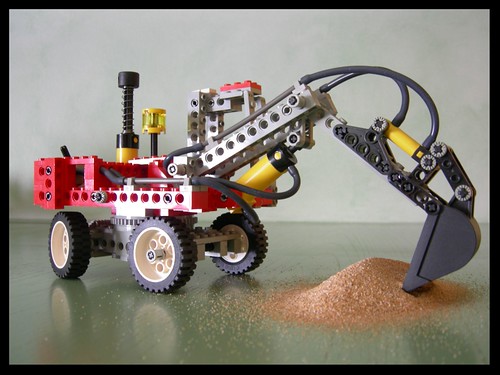
Lego Photo Credit
Vodka Photo Credit
Fake Heparin Kills 19, Is Recalled

Often times, when considering the issue of fake pharmaceuticals, consumers like to believe that their own countries' stringent medical regulatory system prevent fakes from getting in their supply chain. Walt Bogdanich of the New York Times, who broke the 2007 story of counterfeit cough syrup being responsible for the deaths of 120 Panamanians, has broken a new story that should make those in the EU and America sit up straighter.

Counterfeit heparin.

Heparin is a blood thinner often used in surgery and dialysis, and this year, the United States Food and Drug Administration linked contaminated versions of the thinner to 19 deaths. After much testing, the truth came out--the heparin wasn't heparin at all, but a counterfeit attempting to mimic the effects of the real thing, with tragic results.

Bogdanich writes:
"What a difference a year makes.

After many near misses and warning signs, the heparin scare has eliminated any doubt that, here and abroad, regulatory agencies overseeing the safety of medicine are overwhelmed in a global economy where supply chains are long and opaque, and often involve many manufacturers.

“In the 1990s governments were all about trying to maximize the volume of international trade,” said Moisés Naím, editor in chief of Foreign Policy magazine and author of “Illicit: How Smugglers, Traffickers and Copycats Are Hijacking the Global Economy.” “I’m all for that, but I believe this decade is going to be about maximizing the quality of that trade, not quantity.”

Mr. Naím said the heparin scare is already having a “huge” impact, fueling worldwide anxiety over imported medicine and a growing demand for consumer protection."

In addition to the Times article, Sue Hughes of Medscape writes that 350 adverse reactions to Baxter (the company which produces the heparin) products have been reported, with at least 40% considered serious.

Read the full New York Times article here

FDA Recalls Heparin

For questions contact Baxter Inc.


Photo Credit

Wednesday, 19 December 2007

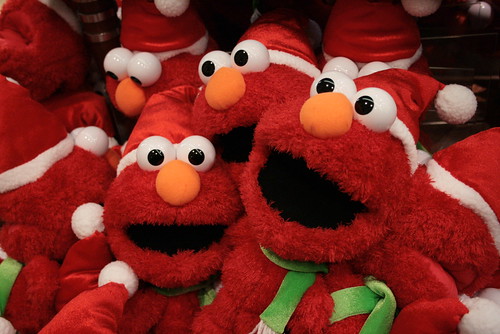
Fake Tickle-Me Elmos Cause More Harm than Laughter

The Tickle Me Elmo toy has had parents turning into frenzied shoppers for many Christmas' now. But the furry red character, designed to giggle when tickled in the belly, is experiencing problems in this, its eleventh year on store shelves.

According to an ABC report, bootleg copies of the toy have been appearing in Baltimore mall kiosks.


"This could be an unsafe product. We have no guarantee of its safety," Angie Barnett, of the Better Business Bureau told ABC. "Who knows what that's made of?"

You can avoid this counterfeit toy by
  • Noting the name: The counterfeit is called "The Laughing Doll," even though it looks identical to Tickle Me Elmo.
  • Price: Ironically, it is the fake in this case which is more expensive. Know and notice your prices.
Click here to watch ABC's news report, "No Laughing Matter."

Photo Credit

Monday, 17 December 2007

Counterfeit Drugs’ Path Eased by Free Trade Zones

Walt Bogdanich of the New York Times has written a number of fascinating articles on counterfeit drugs, and their fatal effects. Just today, his article string 'A Toxic Pipeline,' was updated with an informative piece on exactly how difficult it can be to trace phony medication back to the production line.

Free trade zones can be a very good thing for the global economy, and help products move quicker from one nation to another. But, as Bogdanich points out, they also hide the provenance of fake medications, allowing consumers online for instance to believe their pills have come from small processing plants in the US or Canada when they may have originated in dirty factories in Dubai.

"An examination of [an earlier] case reveals its link to a complex supply chain of fake drugs that ran from China through Hong Kong, the United Arab Emirates, Britain and the Bahamas, ultimately leading to an Internet pharmacy whose American customers believed they were buying medicine from Canada, according to interviews with regulators and drug company investigators in six countries.

The seizure highlights how counterfeit drugs move in a global economy, and why they are so difficult to trace. And it underscores the role played by free trade zones — areas specially designated by a growing number of countries to encourage trade, where tariffs are waived and there is minimal regulatory oversight.

The problem is that counterfeiters use free trade zones to hide — or sanitize — a drug’s provenance, or to make, market or relabel adulterated products, according to anticounterfeiting experts.

“Free trade zones allow counterfeiters to evade the laws of the country because often times the regulations are lax in these zones,” said Ilisa Bernstein, director of pharmacy affairs at the United States Food and Drug Administration. “This is where some of the Internet sellers work,” she added." [Read full story here]

Some consumers purchase drugs on the internet knowing that their country of origin might be questionable, but trusting that the goods are safe. Experts would implore these consumers to understand the health hazards of such a move. Take a recent example of counterfeit pills seized in a free trade zone next to Dubai's main airport. The bundles contained half a million fake Plavix pills, blood-thinning medication made by Sanofi-Aventis.

Some of the medication was little more than cement powder, a Dubai government official said at the time.

Photo Credit

Monday, 5 November 2007

Beware Counterfeit Circuit Breakers: Connecticut Electric Recalls

Connecticut Electric has recalled a total of 64,000 circuit breakers since finding out the product, marked with the "Square D" label, are counterfeit.

These fakes allegedly fail to trip when required. Square D is in the process of removing all such circuit breakers from the market at the moment.

Luckily, no r
eports of injury have been filed, but the product does pose a threat, so be aware.

For more information, Call Connecticut Electric at (866) 264-3702 from 8 a.m. to 5 p.m.

Read the press release here.